Refractive Lens Exchange Vs Prk: Pros, Cons & Outcomes


Content Produce By-Molina McNamara
When taking into consideration vision modification, you could locate on your own weighing Refractive Lens Exchange (RLE) versus Photorefractive Keratectomy (PRK). Each alternative has distinctive advantages and downsides, tailored to various age groups and refractive mistakes. Comprehending these distinctions is vital for making an educated option. So, what should you find out about the procedures, their results, and how they might fit your particular requirements? Let's check out the information better.
Understanding Refractive Lens Exchange: What to Anticipate
When you take into consideration refractive lens exchange, you may wonder what the procedure actually involves.
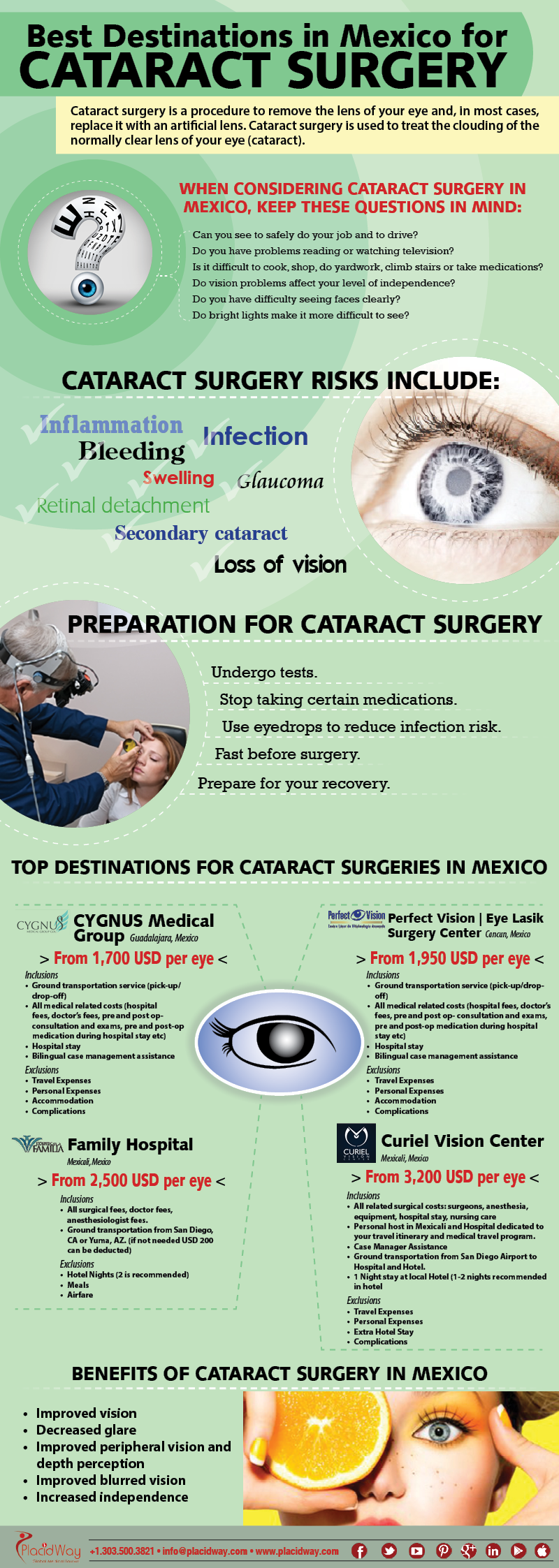
It's a medical choice created to change your eye's natural lens with a synthetic one, usually to remedy vision concerns like presbyopia or extreme nearsightedness.
Throughout the process, your surgeon makes a little incision in your eye, removes the gloomy or malfunctioning lens, and dental implants a brand-new lens customized to your demands.
The treatment usually takes about 15-30 mins per eye, and you'll receive regional anesthesia, so you won't feel pain.
Recovery is typically fast, yet it's important to follow your cosmetic surgeon's aftercare instructions.
You can expect better vision within a few days, and lots of patients accomplish 20/25 vision or much better.
Exploring Photorefractive Keratectomy: Advantages and Threats?
Photorefractive keratectomy (PRK) is a prominent laser eye surgical treatment that improves the cornea to remedy vision concerns like nearsightedness, farsightedness, and astigmatism.
Lens Replacement Surgery Cost of the main advantages of PRK is the minimal invasiveness; since it does not involve reducing a flap in the cornea, it's commonly much safer for those with thinner corneas. You'll likely experience quick recovery times, and lots of people accomplish 20/25 vision or far better.
Nevertheless, there are risks to think about. You could encounter short-lived discomfort, blurred vision, or glare during the healing process.
Some individuals may require improvement procedures if their vision doesn't stabilize. Generally, comprehending the benefits and risks can assist you make an educated choice about whether PRK is ideal for you.
Comparing Results: Which Vision Correction Method Is Right for You?
Picking the best vision adjustment approach entails evaluating the benefits and drawbacks of various choices, consisting of PRK and refractive lens exchange (RLE).
PRK typically matches more youthful patients with light to modest nearsightedness, providing quick recuperation and very little discomfort. Nonetheless, RLE may be excellent for those with presbyopia or extreme refractive errors, as it replaces the lens, giving more clear vision across distances.
You'll want to consider your way of living and visual demands. If you're active or prefer a non-invasive option, PRK might be your best bet.
On the various other hand, if you're seeking a long-term option for age-related modifications, RLE could be much more advantageous. Consulting with an eye care professional will certainly aid customize the selection to your details circumstance.
Final thought
In the end, choosing in between Refractive Lens Exchange and PRK depends on your age, vision requirements, and individual choices. RLE provides a quick healing for older people with extreme refractive mistakes, while PRK suits younger individuals with milder concerns. https://drive.google.com/file/d/1HBbN39IYrrvrjYxro_a_xQxU-9mzo6sR/view?usp=drive_link can achieve superb results, yet it's essential to speak with your eye treatment expert to identify the most effective option for you. Your vision is worthy of the appropriate strategy, so make the effort to make a notified choice!